Asian Equity Income
Tariffs & US Policy
By Edmund Harriss
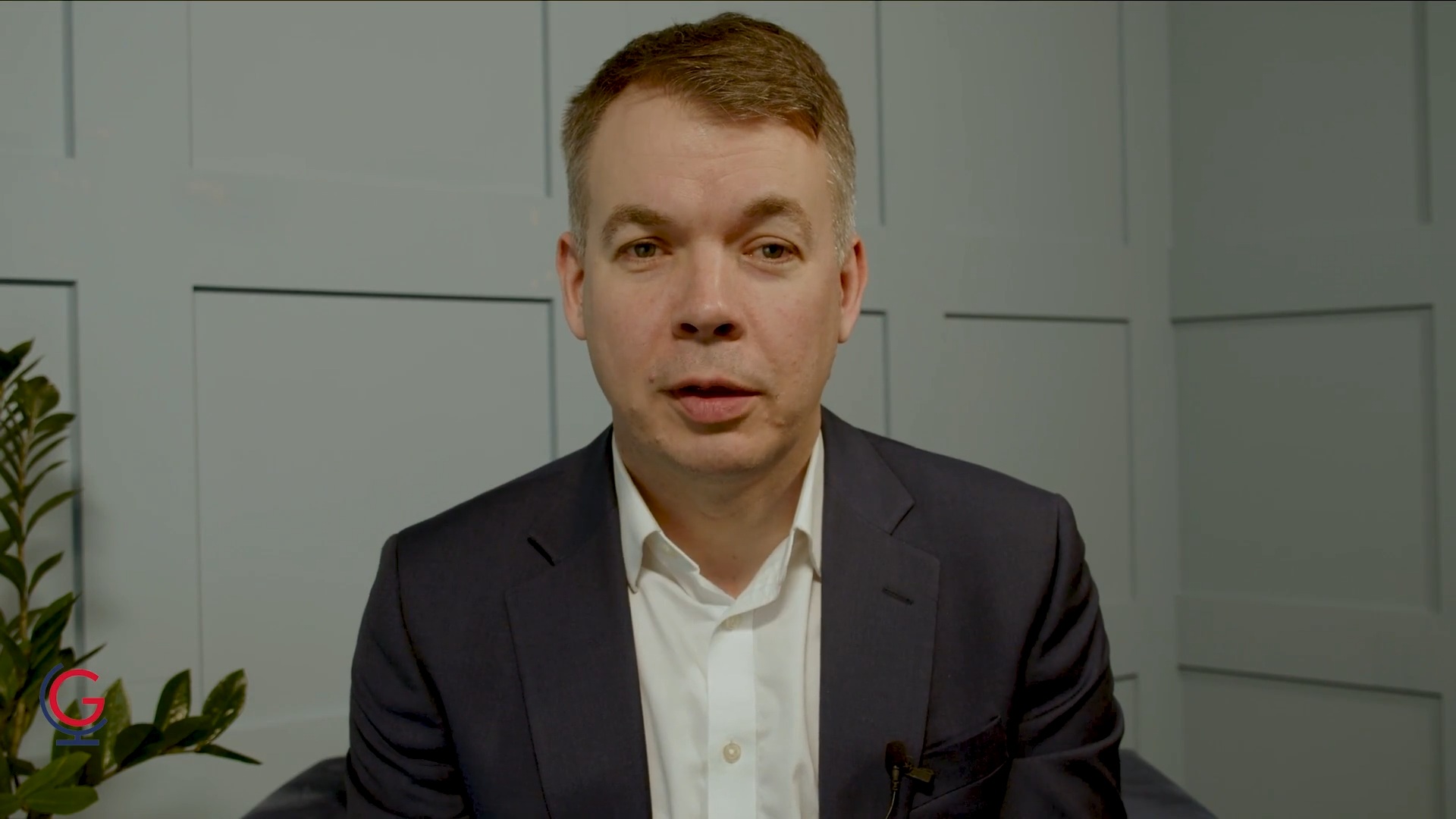
Investors in Asia pondering the US government’s pressure on trading partners need to consider its overarching problem: the large federal budget deficit. In this short video, portfolio manager Edmund Harriss explains.

Edmund Harriss
Chief Investment Officer
Asia
The value of this investment can fall as well as rise as a result of market and currency fluctuations. You may not get back the amount you invested.
This is marketing communication. Please refer to the prospectus, supplement and KIID/KID for the funds, which contain full information on the risks and detailed information on their characteristics and objectives, before making any final investment decisions.
Disclaimer: This insight may provide information about Fund portfolios, including recent activity and performance and may contain facts relating to equity markets and our own interpretation. Any investment decision should take account of the subjectivity of the comments contained in this insight. This insight is provided for information only and all the information contained in it is believed to be reliable but may be inaccurate or incomplete; any opinions stated are honestly held at the time of writing but are not guaranteed. The contents of this insight should not therefore be relied upon. It should not be taken as a recommendation to make an investment in the Funds or to buy or sell individual securities, nor does it constitute an offer for sale.