How UK water companies went from environmental champions to sewage-spill headlines, and what deregulation and underinvestment had to do with it.
Water pollution is an ancient problem in the UK, with sewage spills and other sources of contamination frequently making headlines. UK water quality was one of the worst among European countries in the 1970s and 80s. High levels of contamination were largely due to the discharge of agricultural and industrial waste. Heavily polluted rivers, lakes and coastal waters, along with filthy power stations, were responsible for the country’s reputation as ‘the dirty man of Europe’.
However, starting in the 1990’s the European Union adopted a series of Directives forcing Member States to improve the quality of fresh and salt water.¹ During this period, water quality in the UK improved.²This was the time when water companies were seen as ‘environmental champions’. They took the initiative to talk to agricultural and industrial customers to stop pollutants from entering the water systems in the first place.
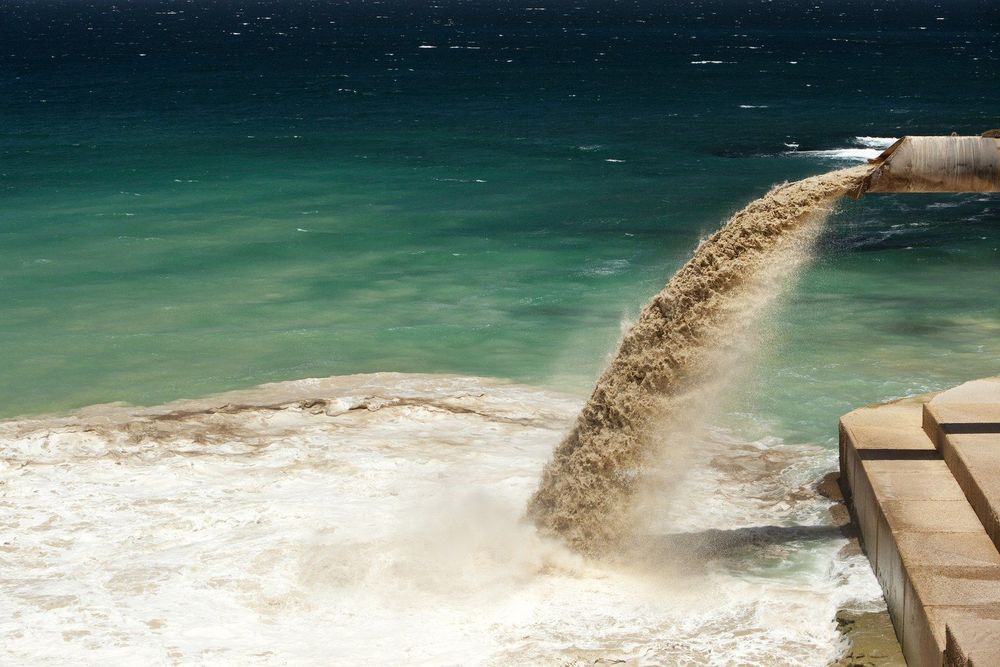
So why do sewage spills appear to happen more often now? Water companies are presented with greater challenges from issues such as urbanisation and climate change. Urban water runoff is a leading cause for water quality problems. About 18% of water bodies in England were identified as being damaged by pollution from towns, cities and transport in 2020.³ Climate change also contributes to the problem as increases in the frequency and intensity of extreme weather events raise the risk of flooding. Excessive amounts of rainwater entering sewers can cause sewage spills. According to data from The Environment Agency, sewage was dumped into the ocean and rivers around the UK more than 770,000 times over the course of 2020 and 2021 – the equivalent of almost 6 million hours.⁴ Sewage overflows could also result in new contaminants such as PFAS chemicals and pharmaceutical residues building up in the environment.⁵
Deregulations and Underinvestment
Deregulation has been another contributing factor to water pollution in the UK. The deregulation of the water industry in England in 2017 removed some of the requirements for water companies to report on their performance and reduced the role of the regulator in setting service standards. In 2021, the nine water and sewerage companies in England delivered the worst environmental performance in years.⁶ Moreover, the Environmental Agency’s budget has been severely cut in recent years, which has dramatically undercut its ability to monitor the performance of the water companies. Current prosecutions by the Environment Agency are just 6% of the level they were a decade ago.⁷
This lack of regulatory oversight has resulted in water companies underinvesting in sewage treatment infrastructure over many years. However, it is essential for water companies to embrace their corporate social responsibility and prioritise the protection of our environment, rather than solely focusing on meeting the minimum regulatory requirements. Unfortunately, the issue of greenwashing is not uncommon in the water sector. Water utilities often tout investment plans to reduce storm overflows and improve water quality, but fail to follow through with adequate funding. The Water Services Regulation Authority revealed that many water firms have invested significantly less than what they are capable of spending, indicating a lack of genuine commitment to environmental protection.⁸ Hence, there is a pressing need for stronger regulatory oversight and increased accountability within the industry to ensure that water companies prioritise the environment and invest adequately in sewage treatment infrastructure.
Investing in Water Solutions
Water utilities used to be seen as change agents which helped improve water quality in the UK. In the early 2000s, companies like South West Water developed innovative schemes to pay farmers to avoid the use of certain pesticides, saving money in the downstream treatment process and reducing environmental contamination. These innovative practices provided a reasonable justification for including these companies in sustainability-oriented investment funds. Pennon, which owns South West Water, was one of the largest holdings in the WHEB strategy back in 2012. However, due to the years of underinvestment and deregulation, this is no longer the case. WHEB sold its position in Pennon in 2012 and has since then been concerned at the downward trend in the environmental performance of water utilities.⁹
Water companies have literally gone from ‘hero to zero’ over the past couple of decades and today, investors looking to make a positive impact on water quality should turn their attention instead to companies that provide water treatment equipment and solutions. These companies offer a more tangible and quantifiable environmental impact.
For example, Xylem produces a wide range of water technology products and solutions. It provides water and wastewater treatment technologies including advanced filtration and disinfection as well as chemical treatment. It also produces water monitoring and testing equipment to monitor water quality in real-time.
Another example is Advanced Drainage Systems, which specialises in providing solutions for stormwater and wastewater management. It offers biofiltration systems that use natural processes to remove pollutants from stormwater and wastewater. Their solutions are particularly needed in cities to help manage stormwater runoff and prevent flooding.
Investing in water can be an excellent way to make a genuine positive environmental impact. However, investors need to be cautious and focus on investing in companies that contribute directly to improve water quality and water management. It is also important to consider the impact of climate change and urbanisation on water pollution and how these factors can affect investments. By focusing on companies that provide water solutions, investors can make a difference in creating a cleaner and healthier environment for everyone.
¹ This legislation covered everything from water quality protecting shellfish, bathing water quality and drink water quality and dealing with discharges of urban waste water, nitrates and industrial pollution.
² https://www.sciencedirect.com/science/article/pii/S0048969722041110
³ https://www.gov.uk/government/publications/state-of-the-environment/the-state-of-the-environment-the-urban-environment
⁴ https://www.theguardian.com/environment/2022/nov/24/water-companies-dumping-sewage-during-dry-weather-sas-report-finds
⁵ https://www.sciencedirect.com/topics/earth-and-planetary-sciences/emerging-contaminant
⁶ https://www.gov.uk/government/publications/water-and-sewerage-companies-in-england-environmental-performance-report-2021/water-and-sewerage-companies-in-england-environmental-performance-report-2021
⁷ https://bylinetimes.com/2022/12/06/the-sewage-scandal-the-worst-we-have-seen-in-years-why-british-bathing-water-is-the-dirtiest-in-europe/
⁸ https://www.theguardian.com/environment/2022/dec/06/ofwat-attacks-water-firms-lack-of-investment-to-cut-sewage-discharges
⁹ For example work done by the Environmental Rating Agency clearly highlighted this poor performance years before it became a routine media headline (see https://www.linkedin.com/pulse/water-utilities-next-too-big-fail-matt-prescott/).
Risk: The WHEB Environmental Impact Fund, the WHEB Sustainable Impact Fund and the FP WHEB Sustainability Impact Fund are Equity funds. Investors should be willing and able to assume the risks of equity investing. The value of an investment and the income from it can fall as well as rise as a result of market and currency movement; you may not get back the amount originally invested.
This is marketing communication. Please refer to the prospectus, supplement and KIID/KID for the funds, which contain full information on the risks and detailed information on their characteristics and objectives, before making any final investment decisions.
Disclaimer: This insight may provide information about Fund portfolios, including recent activity and performance and may contain facts relating to equity markets and our own interpretation. Any investment decision should take account of the subjectivity of the comments contained in this insight. This insight is provided for information only and all the information contained in it is believed to be reliable but may be inaccurate or incomplete; any opinions stated are honestly held at the time of writing but are not guaranteed. The contents of this insight should not therefore be relied upon. It should not be taken as a recommendation to make an investment in the Funds or to buy or sell individual securities, nor does it constitute an offer for sale.