

How an ageing population is creating a demand wave for senior housing and why constrained new supply strengthens the investment case.
While global Real Estate Investment Trusts (‘REITs’) have underperformed global equities for three consecutive years, the senior housing sector has emerged as a notable bright spot for REIT investors. As detailed throughout, an ageing population is creating a demand wave for senior housing accommodation, which is shifting a traditionally defensive sector to one with secular growth characteristics and an attractive cash flow growth outlook.
US Senior Housing REITs 101
Senior housing communities provide independent, assisted living and memory care accommodation options for elderly retired people, i.e. residents that are typically 80+ years old. In the US, the model is almost entirely private pay, with customer payments out of pocket rather than being government funded, reducing the regulatory risk for investors.
Senior housing REITs own the underlying asset and appoint an operator to run day-to-day operations of the community, covering areas such as staffing, care services, and meals. The sector mostly operates under the structure in which the operator is paid a management fee, and the asset owners (the REIT) participate in the underlying profitability, i.e. revenues from resident rent less operating costs and a management fee.
Clear social benefits from senior housing communities
Senior housing communities offer residents a sense of community, reducing isolation and loneliness that can occur when ageing in your own home. Regular physical exercise classes and group activities additionally support both positive physical health and emotional wellbeing outcomes. As demand for high-quality accommodation for the elderly continues to grow rapidly, senior housing communities can provide social benefits and positive health outcomes relative to ageing in place. Moreover, this can aid in reducing overall healthcare costs, which are attached to hospitals and long-term care in traditional rest home settings.
Cyclical rebound has generated three years of senior housing outperformance
Underpinned by a cyclical post-COVID earnings rebound, US Senior housing companies including Welltower, Ventas and American Healthcare REIT have delivered exceptional total shareholder returns, meaningfully outperforming REIT peers, as represented by the All-REIT Index, as well as the S&P 500 (Figure 1).
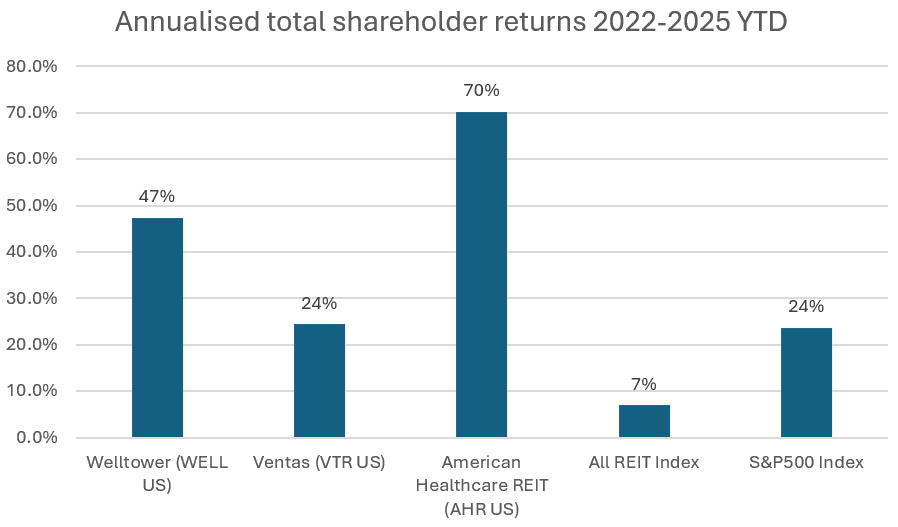
Figure 1: Source: Bloomberg 12th December 2025, Foresight Capital Management, All-REIT is FNER Index.
Ageing population set to drive a demand wave for senior housing, while supply is constrained
The first cohort of baby boomers is expected to reach 80 years of age in 2026, marking the beginning of the “silver tsunami.” US census projections indicate that the population aged over 80 years old is forecast to grow at a ~4% annualised growth rate between 2025-2040, compared with <2% over the prior two decades (Figure 2). In absolute terms, this equates to ~90,000 units of new units required per annum at historic penetration rates (i.e. proportion of 80+ year olds in retirement communities).
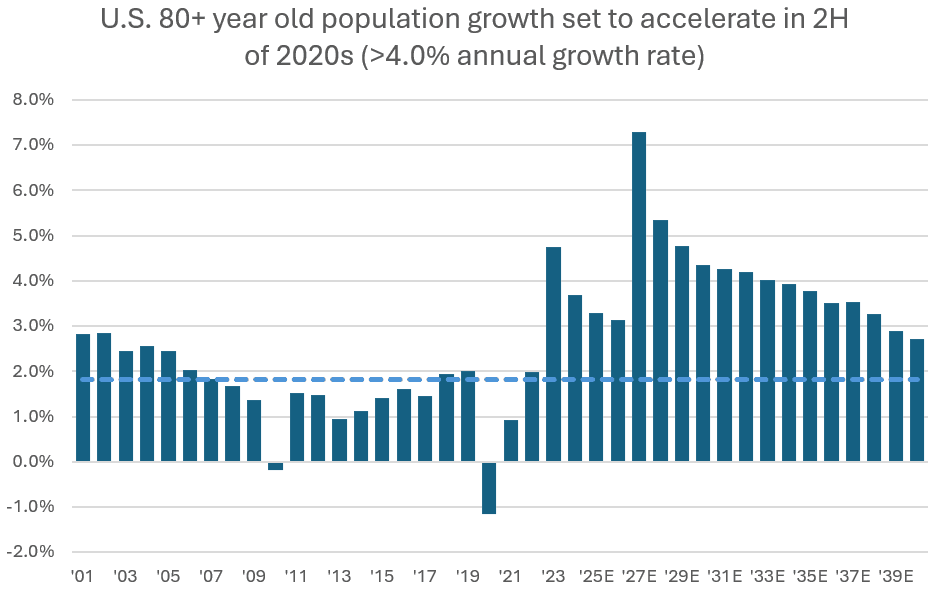
Figure 2: Source US census data, Greenstreet research.
As demand reaches new highs, annual new supply is running at historic lows of 1% of existing stock (Figure 3).
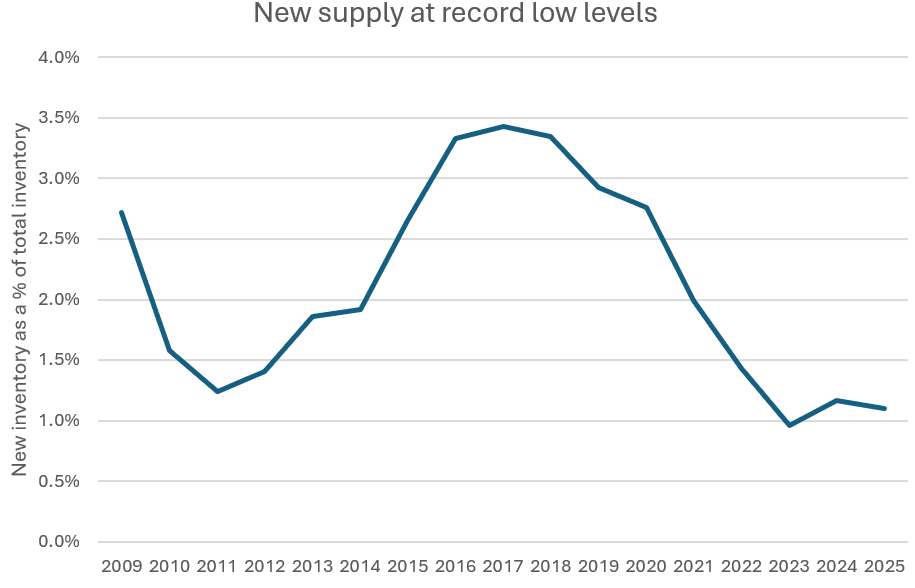
Figure 3: Source Greenstreet, Foresight Capital Management.
Strong demand and constrained supply are creating multiple drivers of growth for the sector.
Constrained supply will cause occupancy levels to rise
A durable mismatch between demand and supply indicates occupancy is likely to continue to rise over the medium-term (Figure 4). While a supply response is inevitable there are inhibiting factors currently constraining new supply for the next two to three years. Elevated construction costs following the inflationary period during COVID, together with tighter development financing conditions, have increased the hurdle rates required for new projects. In the meantime, rents will need to rise to support meaningful new supply.
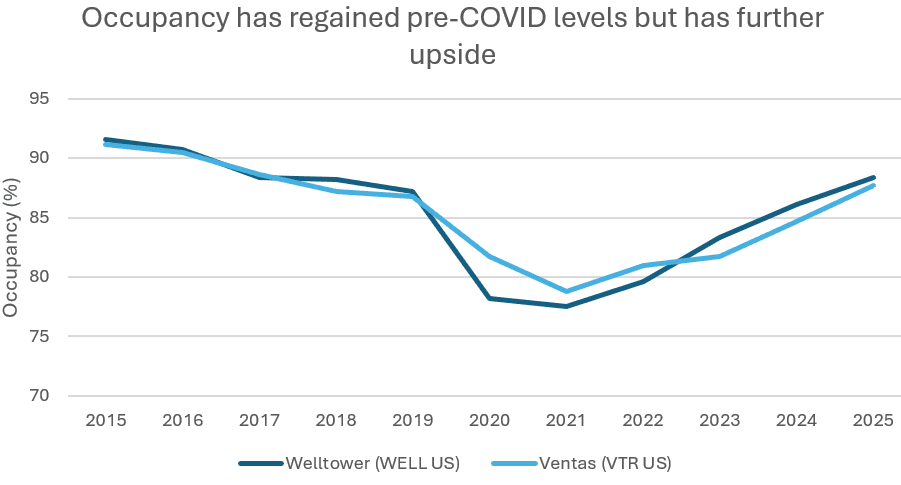
Figure 4: Source Company reports, Foresight Capital Management.
Elevated occupancy expected to translate into pricing power
Senior housing communities tend to exhibit greater pricing power at higher levels of occupancy. Residents tend to prefer to stay within their local area, and higher occupancy indicates both quality and a lack of available substitutes in that local catchment. Across FY24-25, revenue per occupied room (RevPOR), which is the proxy for pricing, has grown at ~5% versus the long-term trend growth level of ~3% (Figure 5). With occupancy positioned to increase, we expect landlords to continue to exhibit strong pricing power.
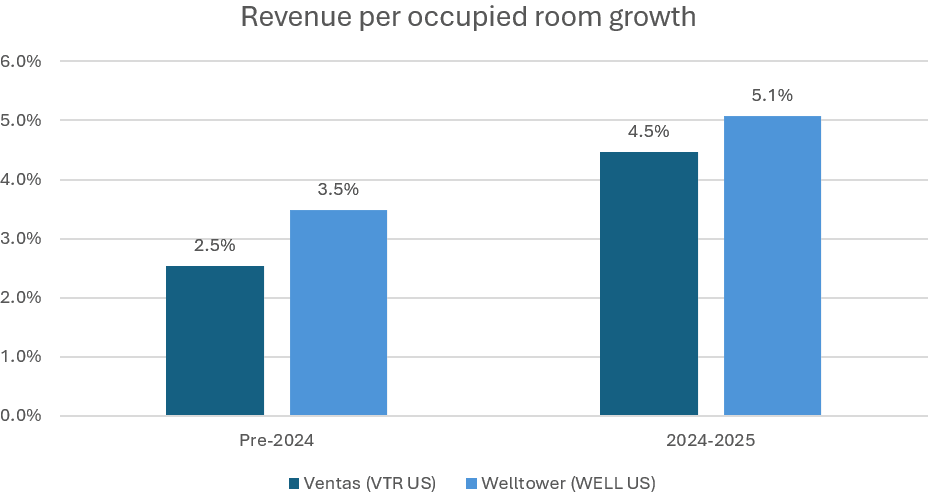
Figure 5: Source Company reports, Foresight Capital Management.
Cost structure indicates operating margins will continue to rise
Staff costs are the largest expense for senior housing companies, representing ~70% of total costs. Once occupancy reaches 90%, communities are effectively fully staffed meaning staff costs tend not to increase materially with each new unit occupied. This allows incremental units occupied to generate operating margins of 50-70% versus group margins of 25-30%. With sector occupancy currently at 88% and trending higher, operating margins are well-positioned to expand over the medium-term.
Portfolio expansion has supercharged earnings growth
Alongside positive operating fundamentals, attractive acquisition returns have supercharged portfolio expansion and earnings growth. US REIT Welltower has acquired a staggering >US$15bn in assets since 2022. Senior housing operators have outlined large pipelines and little erosion in acquisition returns, highlighting this as a core driver of portfolio and earnings growth ahead.
Double digit consensus cash flow growth positions the sector strongly on a relative basis
The senior housing sector highlights the benefits that structural growth thematics can deliver for investors with strong demand creating multiple sustainable drivers of cash growth. Collectively these drivers are reflected in Bloomberg consensus estimates which highlight an expectation for double-digit cash flow per share growth per annum over the next three years. This means despite the already strong total shareholder returns delivered in recent years, senior housing remains well-positioned looking ahead.
Risk: The FP Foresight Global Real Infrastructure Fund, the FP Foresight UK Infrastructure Income Fund and the FP Foresight Sustainable Real Estate Securities Fund are Equity funds and the FP Foresight Diversified Real Assets Fund is a Multi-Asset fund. Investors should be willing and able to assume the risks of investing in these funds. The value of an investment and the income from it can fall as well as rise as a result of market and currency movement; you may not get back the amount originally invested. The Funds are actively managed with the UK CPI +3% and the FTSE EPRA NAREIT Developed Net TRI GBP used as comparator benchmarks only.
This is marketing communication. Please refer to the prospectus, supplement and KIID/KID for the funds, which contain full information on the risks and detailed information on their characteristics and objectives, before making any final investment decisions.
Disclaimer: This insight may provide information about Fund portfolios, including recent activity and performance and may contain facts relating to equity markets and our own interpretation. Any investment decision should take account of the subjectivity of the comments contained in this insight. This insight is provided for information only and all the information contained in it is believed to be reliable but may be inaccurate or incomplete; any opinions stated are honestly held at the time of writing but are not guaranteed. The contents of this insight should not therefore be relied upon. It should not be taken as a recommendation to make an investment in the Funds or to buy or sell individual securities, nor does it constitute an offer for sale.