Sustainable
We’ve been warned – climate crisis and weak links in the supply chain
By WHEB Investment Team
How extreme weather, rising demand for transition technologies and geopolitics are straining global supply chains, with examples from the portfolio.
Whether you’ve tried to fuel up your car recently, were warned by a friend to buy your Christmas presents in August, or are currently waiting over a month for the new iPhone 13, you’ll know that global supply chains are facing severe disruption.
Many news outlets and politicians have been quick to blame the easy target and reassure us that this is just a temporary glitch. They’re not entirely wrong – COVID-19 has led to significant labour shortages which have shut down manufacturing plants across the world and taken swathes of truckers off the roads. But truthfully, the reasons behind this year’s supply chain disruption are complex and manifold. They include extreme weather events; unprecedented (and growing) demand for climate transition technologies; and the creeping gloom of Sino-Western geopolitics… and they’re not going away.
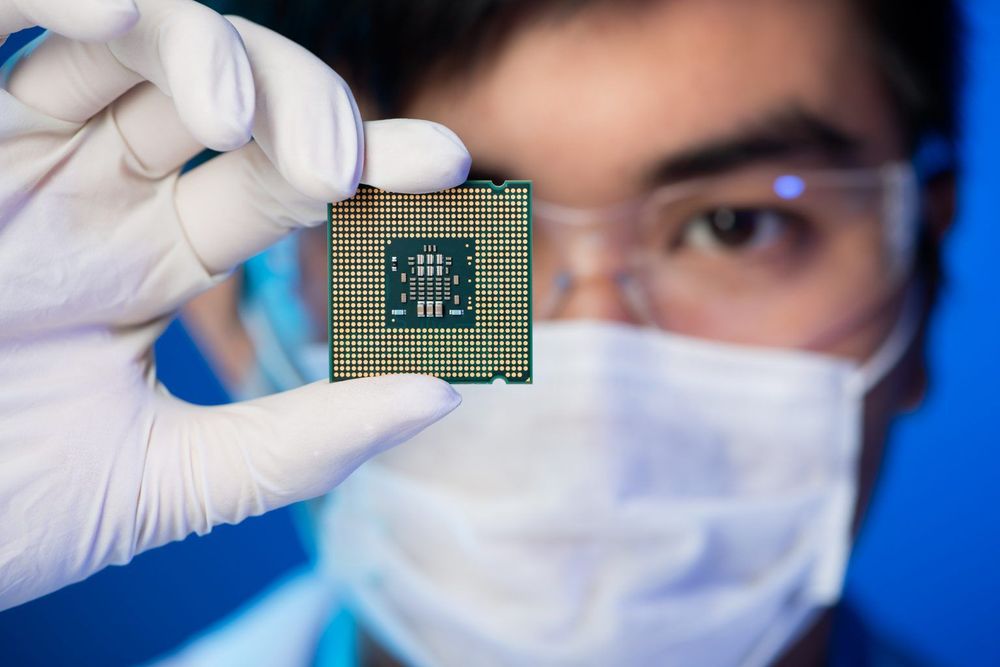
In February, severe winter storms caused massive electricity failures in Texas. Texas is the centre of semiconductor manufacturing in the US, with more facilities than any other state. These clever little chips power most of the world’s transition technologies, including electric vehicles, renewable energy, and energy-efficient home appliances.
The Texas Freeze led to significant lost production for semiconductor manufacturers like Infineon, in our portfolio, and the echoes are still reverberating through supply chains today. In a world where extreme weather events are becoming uncomfortably common, physical asset risk from climate change needs to climb up corporate and investor agendas.
We met with Infineon this month to discuss their asset risk mitigation strategies. We were reassured to learn that they had audited their organization for physical climate risk and had hired a third party to oversee the process. Disclosure could be better though, and we are concerned that Infineon may be underestimating its risk. This will remain an ongoing topic of engagement with Infineon and throughout our portfolio.
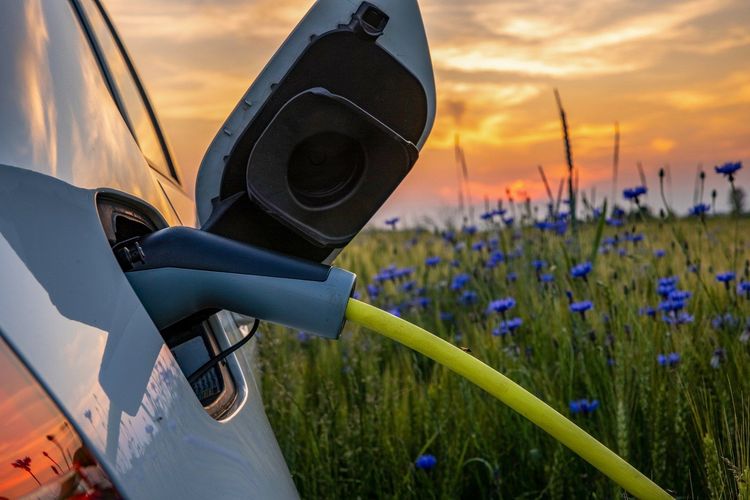
On the other side of the equation, demand for climate transition technologies is running hot. Electric vehicles have doubled their share of global car sales in the last 12 months¹. Solar and wind capacity additions are running about 50% higher than pre-pandemic levels, and will need to continue a rapid growth trajectory if we are to meet the Paris goals². This means significantly higher volumes of semiconductors and raw materials being channeled towards transition technologies.
Silver isn’t often mentioned as a critical raw material, yet solar panel manufacturers guzzle up 10% of global silver production and are estimated to need seven times more by 2035³. The differentiated manufacturing process employed by First Solar, the PV module manufacturer in our portfolio, thankfully doesn’t use silver. First Solar isn’t immune to potential capacity constraints from other materials however, like copper, aluminium, and steel.
Steel is of particular concern since it is practically ubiquitous within climate transition technologies. Nearly 50% of global steel production happens in China⁴. The Chinese steel industry is aiming to peak its greenhouse gas emissions by 2025. With steel decarbonization technologies still nascent, China is having to cap domestic production to meet its target. For a country growing as fast as China, this can only mean one thing: hoarding steel.
China has already revived taxes on steel exports to keep more supply at home. The CEO of Lennox, a HVAC manufacturer in our portfolio, recently lamented that steel costs four times more than it did 18 months ago, and blamed ‘the oligopoly that is the steel industry for keeping supply down’. Steel importers need to make a decision – absorb the higher prices, find alternatives, or seriously ramp up domestic steel production (and, with it, steel decarbonisation technologies).
We shouldn’t believe anyone who claims that this year’s supply chain disruption is just a transitory phenomenon resulting from Covid. We have been given a clear warning signal for what’s to come if we don’t manage physical asset risks from climate change and reshape global supply chains to meet the immense demand for transition technologies. Some jurisdictions, including the US, seem to be waking up – the Biden administration has established a Supply Chain Disruptions Task Force which seeks to secure crucial materials supplies. The task is enormous, but with the right support from companies, governments, and investors, it is not insurmountable.
² https://www.iea.org/reports/renewable-energy-market-update-2021
Important Notices:
Risks include: the price of shares (“Shares”) in FP WHEB Sustainability Fund (“Fund”) may increase or decrease and you may not get back the amount originally invested, for reasons including adverse market and foreign exchange rate movements. Past performance is not a guide to future returns. The Fund invests in equities and is exposed to price fluctuations in the equity markets, and focuses on investments in mid-sized companies in certain sectors so its performance may not correlate closely with the MSCI World Index (the Fund’s benchmark). For full risks, please see fund prospectus on www.whebgroup.com.
General: This blog, its contents and any related communication (altogether, the “Blog”) is issued by WHEB Asset Management LLP (“WHEB Asset Management”). It is intended for information purposes only and does not constitute or form part of any offer or invitation to buy or sell any security including any shares in the FP WHEB Sustainability Fund, including in the United States. It should not be relied upon to make an investment decision in relation to Shares in the FP WHEB Sustainability Fund or otherwise; any such investment decision should be made only on the basis of the Fund scheme documents and appropriate professional advice. This Blog does not constitute advice of any kind, investment research or a research recommendation, is in summary form and is subject to change without notice. The performance shown does not take account of any commissions and costs charged when subscribing to and redeeming shares. WHEB Asset Management has exercised reasonable care in preparing this Blog including using reliable sources, however, makes no representation or warranty relating to its accuracy, reliability or completeness or whether any future event may or may not occur. This Blog is only made available to recipients who may lawfully receive it in accordance with applicable laws, regulations and rules and binding guidance of regulators. WHEB Asset Management LLP is registered in England and Wales with number OC 341489 and has its registered office at 7 Cavendish Square, London, W1G 0PE. WHEB Asset Management LLP is authorised and regulated by the Financial Conduct Authority with Firm Reference Number 496413. FundRock Partners Limited (formerly Fund Partners Limited) is the Authorised Corporate Director of the Fund and is authorised and regulated by the Financial Conduct Authority with Firm Reference Number 469278 and has its registered office at 8-9 Lovat Lane, London EC3R 8DW. The state of the origin of the Fund is England and Wales. The Representative in Switzerland is ACOLIN Fund Services AG, Affolternstrasse 56, CH-8050 Zurich, whilst the Paying Agent is Bank Vontobel Ltd, Gotthardstrasse 43, CH-8022 Zurich. The relevant documents such as the prospectus, the key investor information document (KIIDs), the Articles of Association as well as the annual and semi-annual reports may be obtained free of charge from the representative in Switzerland.
The MSCI information may only be used for your internal use, may not be reproduced or re-dissseminated in any form and may not be used as a basis for or a component of any financial instruments or products or indices. None of the MSCI information is intended to constitute investment advice or a recommendation to make (or refrain from making) any kind of investment decision and may not be relied on as such. Historical data and analysis should not be taken as an indication or guarantee of any future performance analysis, forecast or prediction. The MSCI information is provided on an “as is” basis and the user of this information assumes the entire risk of any use made of this information. MSCI, each of its affiliates and each other person involved in or related to compiling, computing or creating any MSCI information (collectively, the “MSCI Parties”) expressly disclaims all warranties (including, without limitation, any warranties of originality, accuracy, completeness, timeliness, non-infringement, merchantability and fitness for a particular purpose) with respect to this information. Without limiting any of the foregoing, in no event shall any MSCI Party have any liability for any direct, indirect, special, incidental, punitive, consequential (including, without limitation, lost profits) or any other damages (www.msci.com)
Risk: The WHEB Environmental Impact Fund, the WHEB Sustainable Impact Fund and the FP WHEB Sustainability Impact Fund are Equity funds. Investors should be willing and able to assume the risks of equity investing. The value of an investment and the income from it can fall as well as rise as a result of market and currency movement; you may not get back the amount originally invested.
This is marketing communication. Please refer to the prospectus, supplement and KIID/KID for the funds, which contain full information on the risks and detailed information on their characteristics and objectives, before making any final investment decisions.
Disclaimer: This insight may provide information about Fund portfolios, including recent activity and performance and may contain facts relating to equity markets and our own interpretation. Any investment decision should take account of the subjectivity of the comments contained in this insight. This insight is provided for information only and all the information contained in it is believed to be reliable but may be inaccurate or incomplete; any opinions stated are honestly held at the time of writing but are not guaranteed. The contents of this insight should not therefore be relied upon. It should not be taken as a recommendation to make an investment in the Funds or to buy or sell individual securities, nor does it constitute an offer for sale.