Sustainable
Better out of it: the price of oil politics
By Ted Franks
The September attack on Saudi oil facilities, the politics of energy security, and how clean technology is changing the arithmetic.
In January 2017 Mikhail Gorbachev wrote an article for Time magazine. In it, the former head of Soviet Union painted a bleak picture. “It all looks as if the world is preparing for war” he said.¹
Unfortunately, it is not hard to agree with him, even two and a half years later. Relations between the major global powers are tense. Many countries have despotic rulers. Divisive and nationalistic rhetoric abounds. And there are many potential flashpoints as regional conflicts play out.
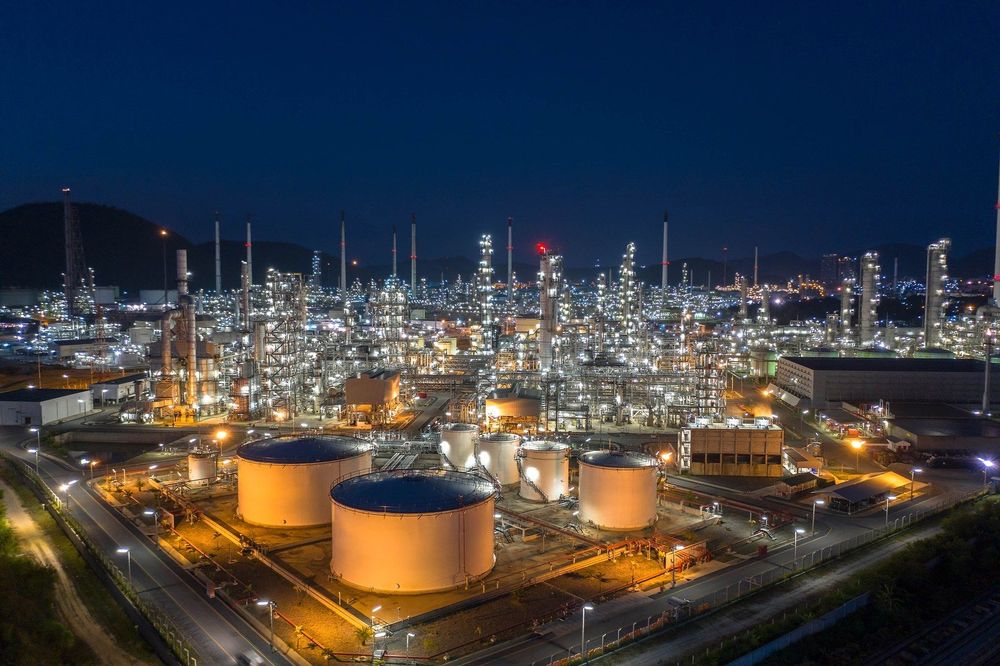
One of the flashpoints ignited in September. On the 14th of the month, drones attacked two oil processing facilities in Saudi Arabia. Responsibility for the attacks almost certainly lies with Iran, Saudi Arabia’s fierce regional rival.
One of the sites attacked, Abqaiq, is particularly important. It is the largest crude oil stabilization plant in the world.² It processes more than 7 million barrels of oil per day – that’s about 7% of global production. The facilities had to be shut down, cutting Saudi oil production in half.
Oil prices leapt when markets opened on Monday 16th. At one point they were up as much as 20%.³ That’s the largest intraday move since Iraq invaded Kuwait almost 30 years ago.
2019 has been a volatile year for oil prices. Iran was under economic sanctions before the attack. Other political conflicts, such as in Venezuela and Russia, have already reduced global supply.
Energy hungry developed nations have few options to deal with these supply issues. They can try to broaden the sources of supply. This has often involved exploiting pristine wildernesses such as Alaska, or deep-water oceans. More recently, developments in shale oil extraction in North America have provided extra barrels. But this extraction is energy intensive, and creates soil, air and water pollution.
The other option is to stay close to energy exporting nations. This means being drawn into the regional conflicts that result in attacks like Abqaiq. It also means ignoring human and civil rights abuses in those countries. Saudi Arabia itself is the highest profile example. Despite recent advances,⁴ its stances on women’s rights and criminal justice are a long way from those of its oil customers.
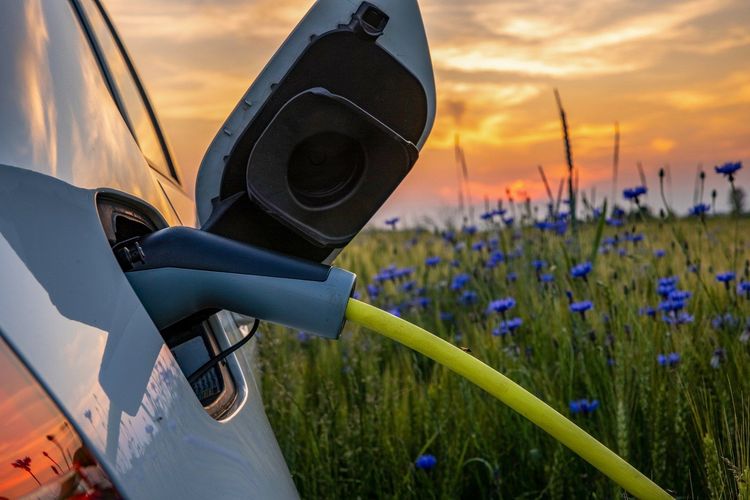
At last an alternative is now in view. The relentless advances in clean technology of the last 20 years are changing the arithmetic.
Road transport currently accounts for more than 40% of global oil demand. Battery electric vehicles are already replacing internal combustion engines in light passenger vehicles. Renewable energy to power the cars can be generated and used within a country’s borders.
A recent forecast by Bloomberg New Energy Finance suggests that global demand for transport fuel could peak in 2030.⁵ It is even possible that demand will peak before then.
This is not lost on the oil industry. Saudi Arabia is already preparing for this new world. The recent softening of some of its social policies is likely to be part of this. Its plan to list its national oil company, Saudi Aramco, is also part of the plan. Attracting foreign investors into Aramco would help bind Saudi Arabia to its international customers and sponsors. It might also be better to realise the value in Aramco now, than wait for oil demand to peak.
Our strategy invests in the transition away from fossil fuels. Cleaner Energy stocks like TPI Composites help provide renewable wind energy. Sustainable Transport stocks like Hella, Norma and Aptiv provide the engineering for electric vehicles.
This transition is a critical part of the battle against climate change. It seems likely that it will also help reduce the risk of global conflict, and fundamentally change the relationship between petro-states and their customers. If so, so much the better.
¹ https://time.com/4645442/gorbachev-putin-trump/
² https://en.wikipedia.org/wiki/2019_Abqaiq80%93Khurais_attack
⁴ https://en.wikipedia.org/wiki/Women%27s_rights_in_Saudi_Arabia
⁵ https://about.bnef.com/blog/three-drivers-curbing-oil-demand-road-transport/
Risk: The WHEB Environmental Impact Fund, the WHEB Sustainable Impact Fund and the FP WHEB Sustainability Impact Fund are Equity funds. Investors should be willing and able to assume the risks of equity investing. The value of an investment and the income from it can fall as well as rise as a result of market and currency movement; you may not get back the amount originally invested.
This is marketing communication. Please refer to the prospectus, supplement and KIID/KID for the funds, which contain full information on the risks and detailed information on their characteristics and objectives, before making any final investment decisions.
Disclaimer: This insight may provide information about Fund portfolios, including recent activity and performance and may contain facts relating to equity markets and our own interpretation. Any investment decision should take account of the subjectivity of the comments contained in this insight. This insight is provided for information only and all the information contained in it is believed to be reliable but may be inaccurate or incomplete; any opinions stated are honestly held at the time of writing but are not guaranteed. The contents of this insight should not therefore be relied upon. It should not be taken as a recommendation to make an investment in the Funds or to buy or sell individual securities, nor does it constitute an offer for sale.